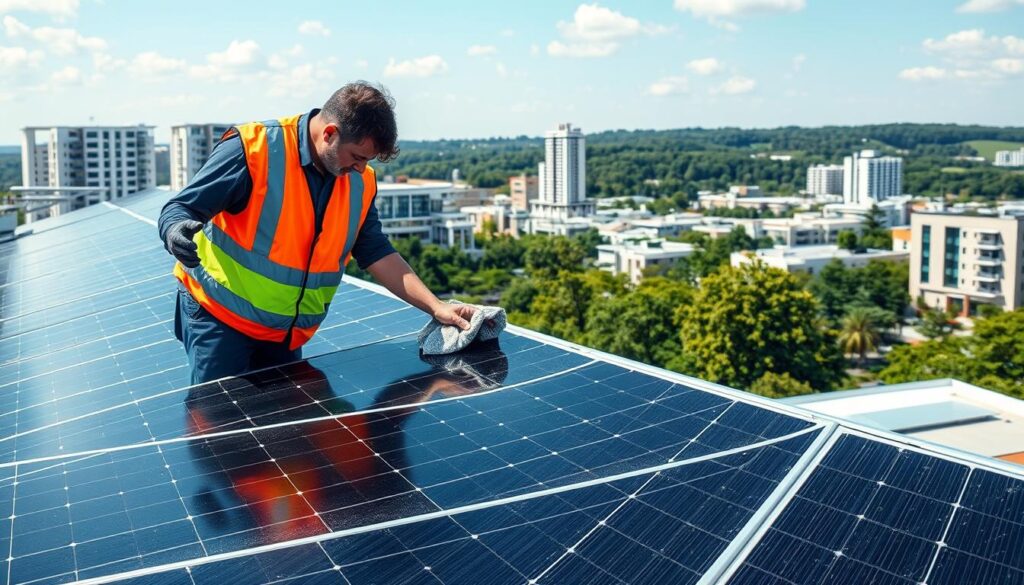
As the world shifts towards renewable energy, the importance of maintaining solar panels cannot be overstated. Cleaning these panels is crucial for ensuring they operate at maximum efficiency.Solar...

Tokyo Japanese Lifestyle: How the EcoConscious Culture of Tokyo Inspires Green LivingTokyo, a city known for its vibrant culture and cutting-edge technology, is also a hub for eco-conscious living. The city’s unique blend of traditional and modern practices has given rise to a distinct sustainable lifestyle that inspires individuals worldwide.Lifestyle...
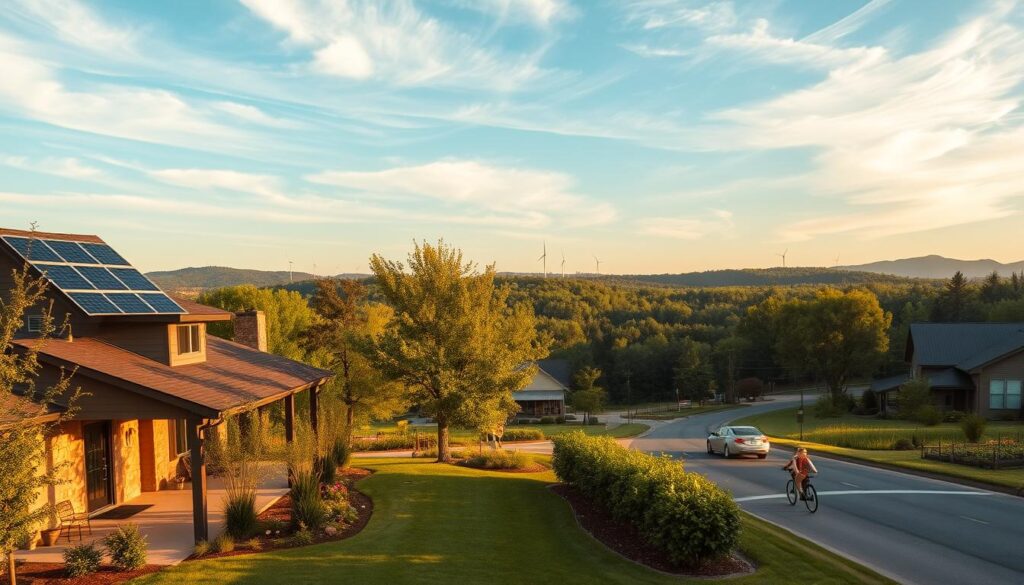
The community of Hazel Green, AL is witnessing a significant shift towards sustainable living. As awareness about environmental issues grows, so does the demand for eco-friendly products. Residents are now more inclined than ever to make environmentally conscious choices in their daily lives.EditFull...
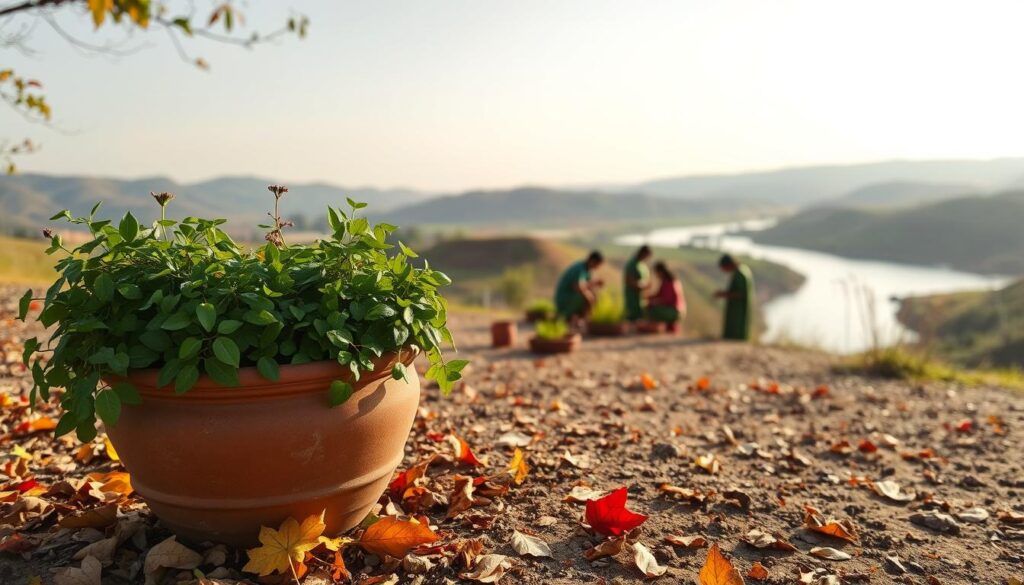
ifestyle.eco-friendly practicesTraditional Practices That Were Always SustainableTraditional Indian practices were inherently sustainable, reflecting a deep respect for the natural world. For example, the use of natural dyes for clothing and the emphasis on locally sourced materials in construction reduced the carbon footprint significantly.Additionally, practices like rainwater harvesting and organic farming were common, showcasing a profound understanding of ecological balance. These practices not only conserved resources but also promoted biodiversity.How Indian Philosophy Promotes Harmony with NatureIndian philosophy is replete with concepts that promote harmony with nature. The idea of ahimsa, or non-violence, extends to all living beings, encouraging a lifestyle that minimizes harm to the environment.The concept of vasudhaiva kutumbakam, which means “the world is one family,” underscores the interconnectedness of all living things, fostering a sense of responsibility towards the earth and its resources.How to Create an Eco Friendly Home in IndiaCreating an ecofriendly home in India is not just a trend, but a necessity for a sustainable future. With the country’s growing population and environmental challenges, adopting green living practices is crucial.Water Conservation TechniquesWater conservation is a critical aspect of an eco-friendly home. Effective techniques can significantly reduce water waste.Rainwater Harvesting and Greywater RecyclingImplementing rainwater harvesting systems can help collect and store rainwater for various household uses. Similarly, greywater recycling allows for the reuse of wastewater from sinks, showers, and washing machines for irrigation and flushing toilets.Traditional Indian Water-Saving MethodsIndia has a rich history of traditional water-saving methods, such as baolis (stepwells) and talabs (ponds). Modern adaptations of these techniques can be incorporated into homes to enhance water conservation.Energy-Efficient Practices for Indian ClimateIndia’s diverse climate demands energy-efficient practices tailored to its regional conditions. Using LED bulbs, solar panels, and energy-efficient appliances can significantly reduce energy consumption.Practice
BenefitUsing LED Bulbs
Reduces energy consumption by up to 80%Installing Solar Panels
Generates clean energy and reduces electricity billsEnergy-Efficient Appliances
Lowers energy consumption and greenhouse gas emissionsWaste Management and Composting the Indian WayEffective waste management is crucial for maintaining an ecofriendly home. Composting organic waste is a simple yet effective method to reduce landfill waste and create nutrient-rich soil.By adopting these practices, Indian households can significantly contribute to a more sustainable environment.Adopting Eco Friendly Food Habits in Indian KitchensSustainable living begins in the kitchen, where traditional Indian methods meet modern ecofriendly practices. The way we cook and consume food has a significant impact on the environment, and adopting eco-friendly food habits is a crucial step towards reducing our ecological footprint.Traditional Cooking Methods That Conserve EnergyIndian cuisine has always been rich in traditional cooking methods that not only conserve energy but also enhance the flavor and nutritional value of food. For instance, using clay ovens or chulhas for cooking can significantly reduce energy consumption compared to modern electric ovens. As Mahatma Gandhi once said, “The earth has enough for everyone’s need, but not enough for everyone’s greed.”“The earth has enough for everyone’s need, but not enough for everyone’s greed.”Adopting such traditional methods can be a step towards a moreeco-friendly lifestyle.eco-friendly...