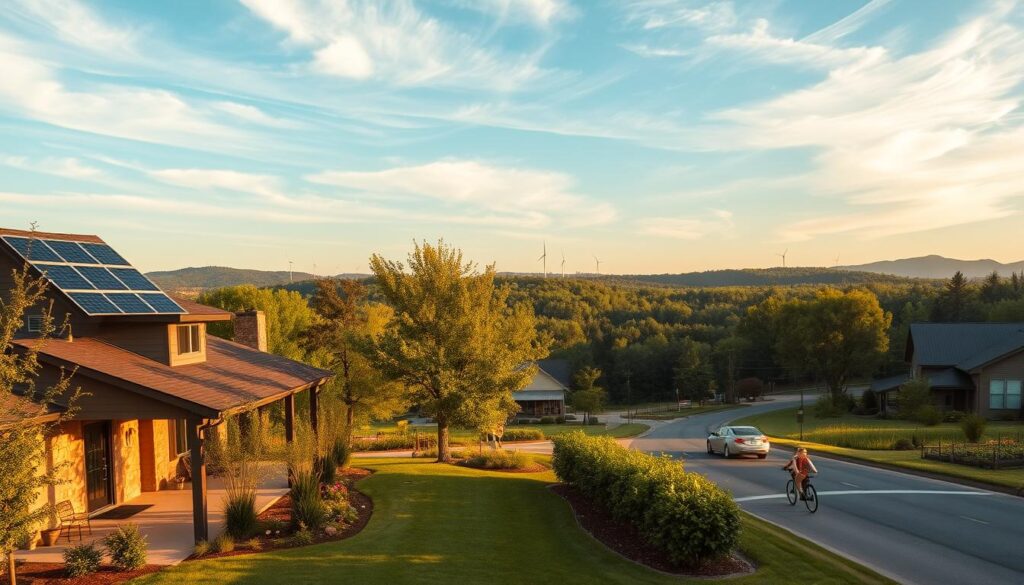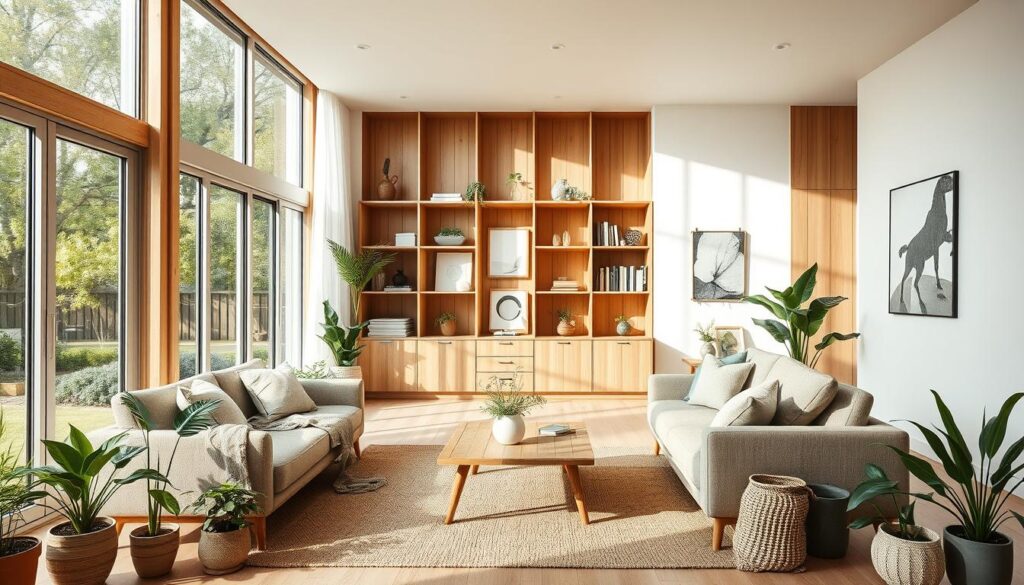
As concern for the environment continues to grow, ecofriendly design has become a priority for homeowners and businesses alike
Sustainable interior design focuses on using materials and practices that minimize environmental impact while creating a healthier and more aesthetically pleasing space.

Edit
Full screen
Delete
interior design with sustainable materials
By incorporating green interiors, individuals can reduce their carbon footprint and promote a more sustainable lifestyle.
This article will explore the best eco-friendly materials and ideas for achieving a sustainable home, providing a comprehensive guide for those looking to make a positive change.
Key Takeaways
- Eco-friendly materials reduce environmental impact
- Sustainable practices promote healthier living spaces
- Green interiors can enhance aesthetic appeal
- Simple changes can make a significant difference
- Eco-friendly design is accessible and affordable
- Sustainable living benefits both individuals and the planet
The Principles of Sustainable Interior Design
Sustainable interior design is not just a trend, but a necessity for creating a healthier and more environmentally friendly living space. By incorporating eco-conscious home decor and sustainable design solutions, homeowners can significantly reduce their environmental footprint.
Environmentally conscious design involves selecting eco-friendly home furnishings and green building materials that are durable, recyclable, and sourced locally. This approach not only reduces waste but also promotes a healthier indoor environment.
To apply the principles of sustainable interior design, homeowners can start by assessing their current space and identifying areas for improvement. They can then incorporate sustainable interior decor, such as reclaimed wood furniture and energy-efficient lighting, to create a more eco-friendly home.
By adopting sustainable design solutions and eco-friendly home furnishings, homeowners can create a beautiful and functional living space that is both environmentally conscious and aesthetically pleasing.
FAQ
What are the benefits of using sustainable materials in interior design?
Using sustainable materials in interior design reduces the environmental impact of a project, promotes eco-friendly practices, and creates a healthier living space. Sustainable materials are also often durable and long-lasting, reducing the need for frequent replacements.
How can I incorporate eco-friendly home furnishings into my existing decor?
To incorporate eco-friendly home furnishings, consider repurposing or upcycling existing furniture, shopping for second-hand or sustainably sourced items, and choosing products made from green building materials. You can also update your decor with eco-conscious accessories, such as sustainable textiles and energy-efficient lighting.
What are some examples of green building materials used in interior design?
Examples of green building materials used in interior design include reclaimed wood, bamboo, low-VOC paints, and sustainable flooring options like cork and recycled glass. These materials are not only eco-friendly but also add unique textures and visual interest to a space.
Can sustainable interior design be stylish and aesthetically pleasing?
Yes, sustainable interior design can be both stylish and aesthetically pleasing. By incorporating eco-friendly materials, sustainable design solutions, and environmentally conscious design principles, you can create a beautiful and functional space that also promotes well-being and reduces environmental impact.
How do I choose the best eco-friendly materials for my interior design project?
To choose the best eco-friendly materials, consider factors like the material’s source, production process, and end-of-life recyclability or biodegradability. Research products and manufacturers that prioritize sustainability, and look for certifications like FSC (Forest Stewardship Council) or Greenguard Gold.
Sustainable interior design isn’t just a trend—it’s a responsible choice for healthier homes and a healthier planet. By incorporating eco-friendly materials like bamboo, reclaimed wood, recycled metal, and low-VOC paints, you can reduce environmental impact without sacrificing style. The ideas and innovations of 2025 prove that sustainability and luxury can coexist, offering energy-efficient, ethical, and aesthetically stunning solutions.
Whether you’re renovating or simply refreshing a space, small changes—like choosing upcycled decor or energy-saving lighting—add up to make a big difference. Start your journey today and create a home that’s as kind to the Earth as it is beautiful.
Ready to transform your space? Explore more green design tips [internal link] or share your sustainable projects with us in the comments!