Tokyo Japanese Lifestyle: How the EcoConscious Culture of Tokyo Inspires Green Living
Tokyo, a city known for its vibrant culture and cutting-edge technology, is also a hub for eco-conscious living. The city’s unique blend of traditional and modern practices has given rise to a distinct sustainable lifestyle that inspires individuals worldwide.

Lifestyle and Green Living
From energy-efficient homes to community-driven recycling programs, Tokyo’s approach to sustainable living is multifaceted. By embracing eco-friendly practices, Tokyo residents are not only reducing their environmental footprint but also creating a healthier, more livable city.
Key Takeaways
- Tokyo’s eco-conscious culture promotes sustainable living practices.
- The city’s blend of traditional and modern practices inspires eco-friendly lifestyles.
- Community-driven initiatives play a crucial role in Tokyo’s sustainable living.
- Energy-efficient homes are a hallmark of Tokyo’s approach to green living.
- Tokyo’s sustainable lifestyle is a model for cities worldwide.
Tokyo’s Eco-Conscious Cultural Foundation
At the heart of Tokyo’s environmentally conscious living lies a rich cultural heritage. This heritage is not just a product of modern environmentalism but is deeply rooted in historical and philosophical contexts that have shaped the city’s eco-friendly practices.
Historical Context of Japanese Environmental Ethics
Japanese environmental ethics have been influenced by various philosophical and religious beliefs. The country’s unique cultural identity has played a significant role in shaping its relationship with nature.
Shinto and Buddhist Influences on Nature Respect
Shinto and Buddhist philosophies have significantly contributed to Japan’s respect for nature. Shintoism emphasizes the sacredness of natural elements, while Buddhism teaches the interconnectedness of all living beings. These beliefs have fostered a culture of reverence for the environment.
Post-War Environmental Awakening
The post-war period saw a significant environmental awakening in Japan. The country faced severe environmental challenges, leading to a heightened awareness and adoption of eco-friendly practices. This awakening laid the groundwork for Tokyo’s modern sustainability efforts.
Modern Environmental Challenges Facing Tokyo
Despite its eco-conscious culture, Tokyo faces numerous modern environmental challenges. Rapid urbanization and technological advancements have introduced new environmental concerns, such as energy consumption and waste management. The city must continually adapt to these challenges.

Tokyo’s eco-friendly practices
Cultural Values Driving Sustainability Efforts
Tokyo’s cultural values play a crucial role in driving its sustainability efforts. The concepts of “Mottainai” (reducing waste) and “Omotenashi” (hospitality) reflect the city’s commitment to eco-friendly practices. These values are integral to Tokyo’s approach to green living.
The blend of traditional values and modern practices has enabled Tokyo to become a leader in eco-conscious living. By understanding and embracing these cultural values, other cities can learn from Tokyo’s example.
Lifestyle and Green Living Practices in Tokyo
Green living is deeply ingrained in Tokyo’s culture, with various practices that promote sustainability and environmental conservation. The city’s residents have developed a unique blend of traditional and modern eco-friendly habits that contribute to a cleaner, healthier environment.
Advanced Waste Management and Recycling Systems
Tokyo is renowned for its sophisticated waste management and recycling systems. The city’s waste management strategy is multifaceted, involving both advanced technology and community participation.
The 45-Category Recycling Program
One of the cornerstones of Tokyo’s recycling program is its 45-category recycling system, which categorizes waste into various types, making it easier for residents to recycle correctly. This detailed categorization ensures that a significant portion of Tokyo’s waste is recycled.
Community Participation and Accountability
Community participation is crucial in Tokyo’s waste management. Residents are educated on the importance of proper waste disposal and are held accountable through a system that encourages active community involvement. This includes neighborhood recycling drives and strict adherence to waste segregation guidelines.

Tokyo’s recycling program
Energy Conservation in Japanese Homes
Energy conservation is a significant aspect of green living in Tokyo. Japanese homes incorporate various techniques and technologies to reduce energy consumption.
Smart Home Technologies and Traditional Techniques
Many Tokyo homes utilize smart home technologies that optimize energy use. Additionally, traditional techniques such as the use of natural light and ventilation are still practiced, reducing the need for artificial lighting and heating/cooling systems.
Seasonal Energy-Saving Customs
Tokyo’s residents also adopt seasonal energy-saving customs, such as adjusting their clothing and home insulation according to the season, to minimize energy consumption. For example, wearing warmer clothing in winter reduces the need for heating.
Sustainable Transportation Networks
Tokyo’s transportation network is another area where sustainability is prioritized. The city boasts an efficient public transportation system that encourages the use of eco-friendly transportation methods.
- Extensive subway and bus networks reduce reliance on personal vehicles.
- Cycling infrastructure supports a healthier, more sustainable mode of transport.
- Promoting the use of electric and hybrid vehicles further reduces the city’s carbon footprint.
By integrating these sustainable practices into daily life, Tokyo sets a compelling example for green living and environmental stewardship.
Urban Design and Green Innovation in Tokyo
As one of the world’s most populous cities, Tokyo has taken significant strides in integrating eco-friendly practices into its urban design. The city’s approach to sustainability is multifaceted, incorporating green living resources, advanced waste management, and innovative architectural designs.
Vertical Gardens and Green Architecture
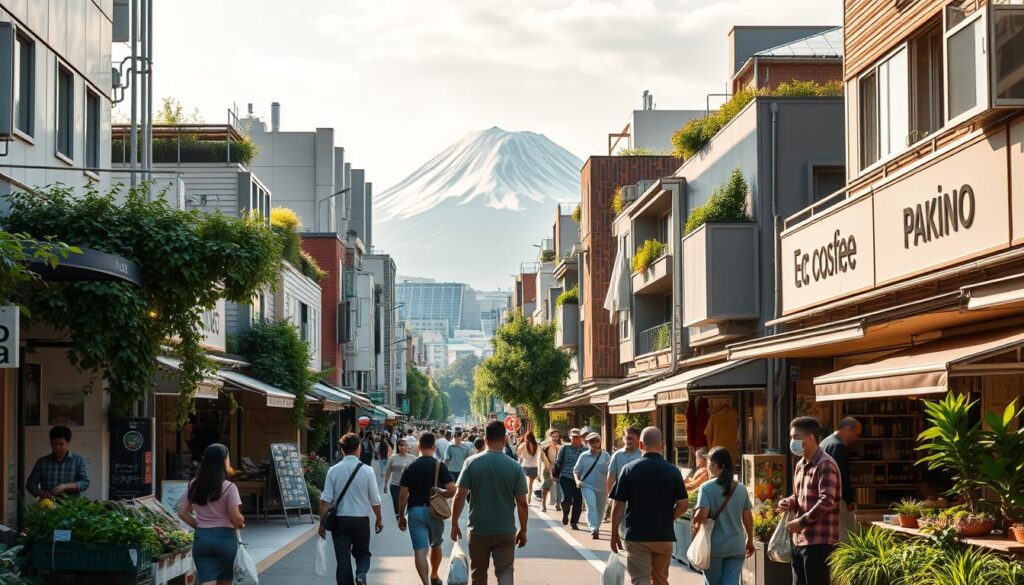
Tokyo’s green architecture is characterized by the incorporation of vertical gardens and living walls, which not only enhance the aesthetic appeal of buildings but also contribute to a healthier urban environment. These green spaces help mitigate the urban heat island effect, improve air quality, and provide habitats for urban wildlife.
Case Study: Ginza Six Rooftop Forest
The Ginza Six rooftop forest is a prime example of Tokyo’s innovative approach to green architecture. This luxurious shopping complex features a sprawling rooftop garden, complete with a variety of plant species and a sophisticated irrigation system. The garden serves as a tranquil oasis in the heart of the bustling city, demonstrating the potential for sustainable living in even the most densely populated areas.
Living Walls and Microclimate Management
Living walls, or green walls, are another key feature of Tokyo’s green architecture. These walls are designed to manage microclimates within the city, reducing the need for air conditioning and heating. By incorporating a variety of plant species, living walls also enhance biodiversity and contribute to a more pleasant urban environment.
Public Parks and Community Green Spaces
In addition to green architecture, Tokyo’s urban design also prioritizes public parks and community green spaces. These areas provide residents with much-needed recreational spaces, help to mitigate the urban heat island effect, and contribute to the overall aesthetic appeal of the city. From small neighborhood parks to large urban green spaces, these areas are essential to maintaining a high quality of life for Tokyo’s residents.
Space-Efficient Environmental Solutions
Given Tokyo’s dense population and limited space, the city has had to develop innovative, space-efficient environmental solutions. These include compact living designs that minimize environmental impact, as well as multi-functional design approaches that maximize the use of available space.
Compact Living with Minimal Environmental Impact
Compact living designs in Tokyo prioritize efficiency and sustainability, incorporating features such as energy-efficient appliances, rainwater harvesting systems, and green roofs. These designs not only reduce the environmental impact of individual buildings but also contribute to a more sustainable urban environment as a whole.
Multi-Functional Design Approaches
Multi-functional design approaches are also key to Tokyo’s space-efficient environmental solutions. By incorporating multiple functions into a single space, these designs maximize the use of available space while minimizing waste and environmental impact. Examples include parks that double as flood control measures and buildings that incorporate both commercial and residential spaces.
Tokyo’s commitment to green innovation and sustainable living serves as a model for cities around the world. By incorporating eco-friendly practices into its urban design, Tokyo is able to maintain a high quality of life for its residents while minimizing its environmental footprint.
Implementing Tokyo-Inspired Green Practices in American Homes
American homeowners can draw inspiration from Tokyo’s green lifestyle choices to create more sustainable living spaces. By adopting some of the eco-friendly practices that are commonplace in Tokyo, Americans can significantly reduce their environmental impact. This involves making conscious decisions about consumption, conserving resources, and engaging in community-based environmental initiatives.
Minimalist Living and Conscious Consumption
Minimalist living is a key aspect of Tokyo’s eco-conscious culture. By embracing minimalism, individuals can reduce waste and live more sustainably.
The Art of Decluttering and Its Environmental Benefits
Decluttering is not just about creating a more organized living space; it also has significant environmental benefits. By reducing the amount of possessions, individuals can lower their consumption of new goods, thereby decreasing the demand for resource-intensive manufacturing processes. This approach not only simplifies life but also contributes to a more sustainable future.
Quality Over Quantity Purchasing Habits
Adopting a “quality over quantity” approach to purchasing can significantly reduce waste. Investing in higher-quality, longer-lasting products may seem more expensive upfront but can lead to savings over time and reduce the environmental impact of frequent replacements.
Water and Energy Conservation Techniques
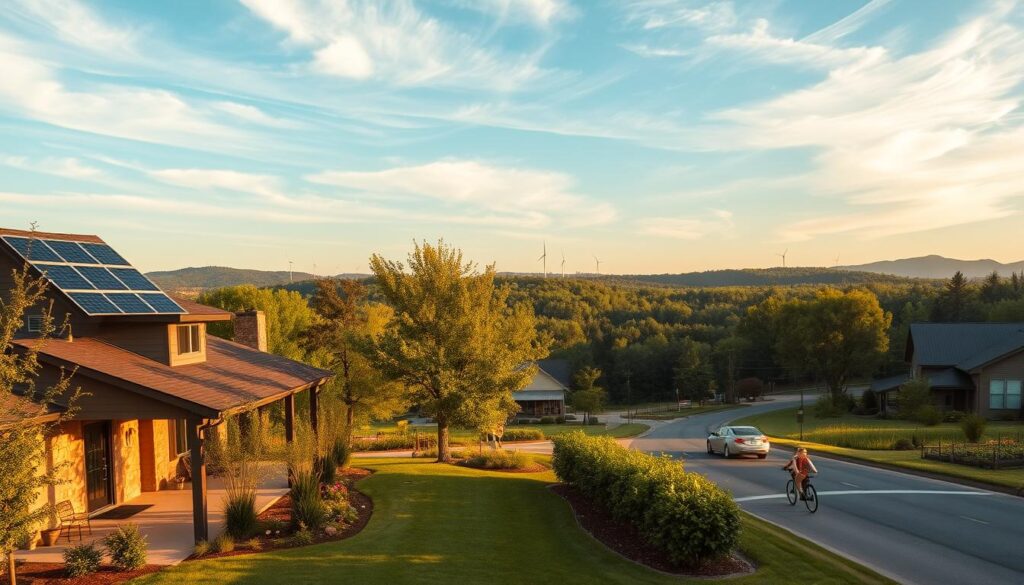
Conserving water and energy is crucial for sustainable living. Simple measures such as using energy-efficient appliances, turning off lights when not in use, and fixing leaks can make a significant difference. Additionally, incorporating renewable energy sources like solar panels into homes can further reduce reliance on non-renewable energy.
Building Community-Based Environmental Initiatives
Community-based initiatives play a vital role in promoting sustainable living. By working together, neighbors can implement effective recycling programs and share resources.
Neighborhood Recycling Programs
Implementing neighborhood recycling programs can significantly reduce waste. Community-led initiatives can educate residents about proper recycling practices and encourage participation.
Shared Resources and Collaborative Consumption
Collaborative consumption involves sharing resources such as tools, transportation, and even living spaces. This approach not only reduces waste but also fosters a sense of community. Platforms and apps that facilitate sharing can be invaluable in promoting this culture.
Conclusion: Lessons from Tokyo for Global Green Living
Tokyo’s eco-conscious culture and green living practices offer valuable lessons for promoting sustainable living globally. The city’s advanced waste management and recycling systems, energy conservation efforts, and sustainable transportation networks demonstrate a commitment to reducing environmental impact.
By adopting some of Tokyo’s eco-friendly lifestyle practices, individuals can make a significant difference in their daily lives. Simple changes, such as incorporating green home tips into daily routines, can contribute to a more sustainable future. For instance, implementing minimalist living and conscious consumption habits can reduce waste and promote a more environmentally friendly lifestyle.
The success of Tokyo’s green initiatives can be attributed to a combination of cultural values, urban design, and innovative solutions. As the world continues to urbanize, cities can learn from Tokyo’s approach to creating a more sustainable and environmentally conscious community. By embracing Lifestyle and Green Living practices, individuals and communities can work together to create a more eco-friendly future.
FAQ
What are some simple ways to adopt a more eco-friendly lifestyle inspired by Tokyo?
Simple ways to adopt a more eco-friendly lifestyle include implementing advanced waste management and recycling systems, conserving energy, and using sustainable transportation networks. Additionally, incorporating minimalist living and conscious consumption practices can significantly reduce one’s environmental footprint.
How can I make my home more environmentally friendly?
To make your home more environmentally friendly, consider incorporating smart home technologies, traditional energy-saving techniques, and seasonal customs. You can also adopt minimalist living practices, such as decluttering and quality over quantity purchasing habits, to reduce waste and conserve resources.
What role do community-based environmental initiatives play in promoting sustainable living?
Community-based environmental initiatives, such as neighborhood recycling programs and shared resources, play a crucial role in promoting sustainable living by fostering a sense of community and cooperation. These initiatives can help reduce waste, conserve resources, and promote eco-friendly practices.
How can urban design and green innovation contribute to a more sustainable environment?
Urban design and green innovation, such as vertical gardens, green architecture, and public parks, can significantly contribute to a more sustainable environment by reducing carbon emissions, improving air quality, and promoting eco-friendly lifestyles.
What are some effective ways to conserve water and energy in daily life?
Effective ways to conserve water and energy include adopting simple habits such as turning off lights and electronics when not in use, using energy-efficient appliances, and implementing water-saving measures. Additionally, incorporating smart home technologies and traditional techniques can help reduce energy consumption.
How can I get involved in community-based environmental initiatives?
To get involved in community-based environmental initiatives, start by researching local organizations and initiatives that align with your interests and values. You can also participate in neighborhood recycling programs, attend community events, and collaborate with others to promote sustainable living practices.
What are some sustainable transportation options available in Tokyo?
Tokyo offers a range of sustainable transportation options, including efficient public transportation systems, walking, and cycling. The city’s transportation network is designed to minimize carbon emissions and promote eco-friendly travel.
How can I incorporate sustainable living practices into my daily routine?
To incorporate sustainable living practices into your daily routine, start by making small changes, such as reducing waste, conserving energy, and using eco-friendly products. You can also adopt minimalist living practices, such as decluttering and quality over quantity purchasing habits, to reduce your environmental footprint.